
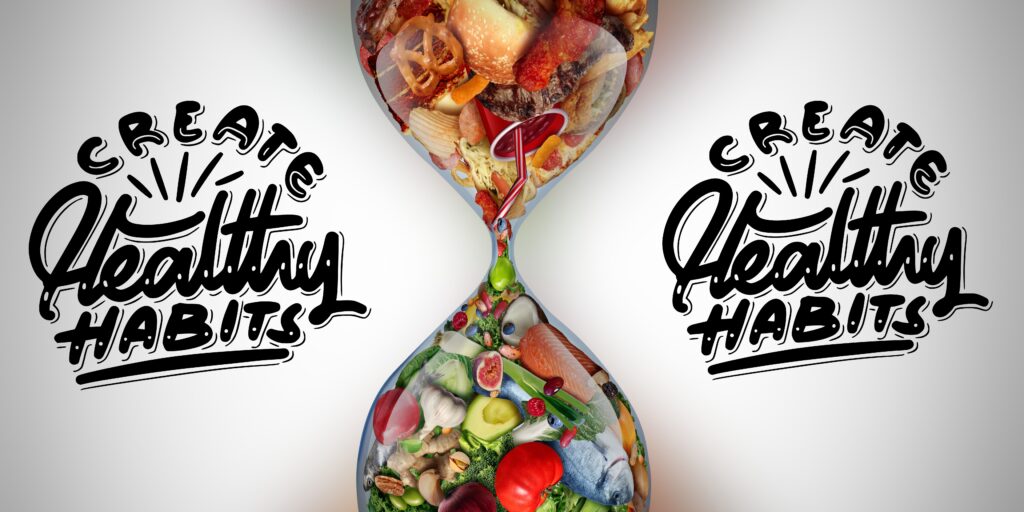
Sustainable eating is about making sure that the choices we make today shape the future we’ll live in tomorrow. One way to practice sustainable eating is to plan and eat meals according to the season.
A simple way to understand sustainable eating is that our food should meet our nutritional needs, while also conserving natural resources. In a nutshell (a peanut shell in this case, being the most sustainable nut out there), sustainable eating means buying what is currently in abundance. Local food has a low environmental impact
Sustainable eating means buying what is currently in abundance. Local food has a low environmental impact all throughout the food cycle – from production and packaging to transport and distribution.
Eating sustainably also saves money, energy and lets you enjoy foods at the peak of their flavor.
Here are 10 tips to get you eating more sustainably, plus a reminder of seasonal fruit and vegetables to buy this spring.

- Buy seafood from non-threatened stocks. You can check the Southern African Sustainable Seafood Initiatives (SASSI) website for a list of sustainable seafood options.
- Choose whole, minimally processed foods. Less energy and fewer resources are used compared to making and packaging processed foods. For example, buy spinach in a bunch versus washed, cut and packed items.
- Prepare and serve appropriate portion sizes to lessen food wastage. Wasting food means wasting the energy and resources that went into producing it. The bacteria that break down wasted food also product the greenhouse gas methane.
- Use every part of a plant (root-to-tip) to cut down on food wastage. Many roots and bulbs can also be regrown in water. You can also buy fresh produce, prepare and use what you need on a particular day and then freeze the rest.
- Choose whole grains over processed carbohydrates, as these require less energy to process.
- Choose plain tap water – producing a bottle of water requires more than double the amount of water the final products contain, so when you can choose plain tap water.
- Replace some of your meat intake with protein-rich legumes like lentils, split peas and beans. Producing meat (especially beef) contributes considerably to greenhouse gas emissions, but the nitrogen-fixing properties of legumes contributes to soil richness.
- Choose organic foods where possible as organically managed soil regenerates its richness.
- Cook more meals at home. Restaurants use substantial amounts of energy for refrigeration, heating, cooling and lighting. They also use a lot of water and food wastages is also a concern.
- Fill up on raw, fresh vegetables and fruit, even as snacks and sides. These need very little energy to prepare.
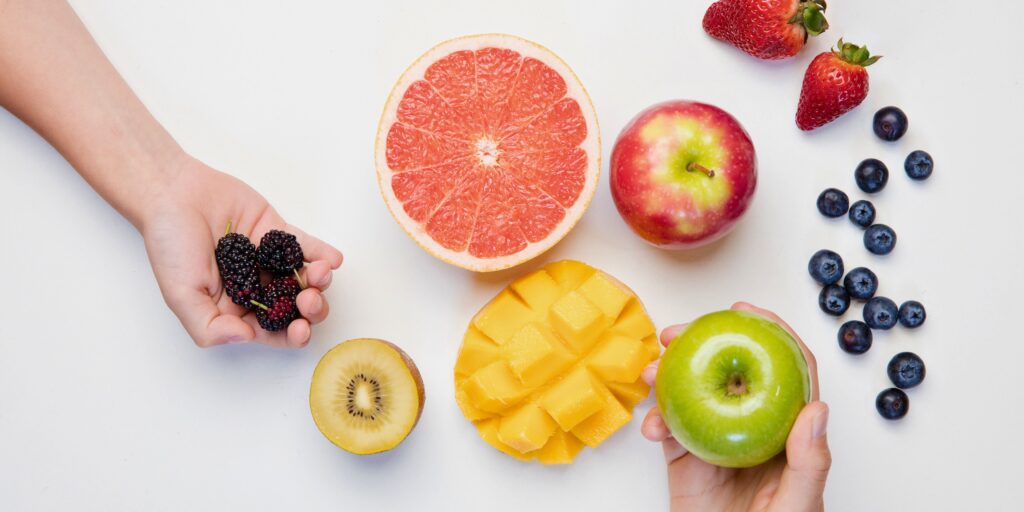
What’s in season this spring?
Here are some fruits and vegetables that are in season in spring (that is September, October and November) in South Africa.
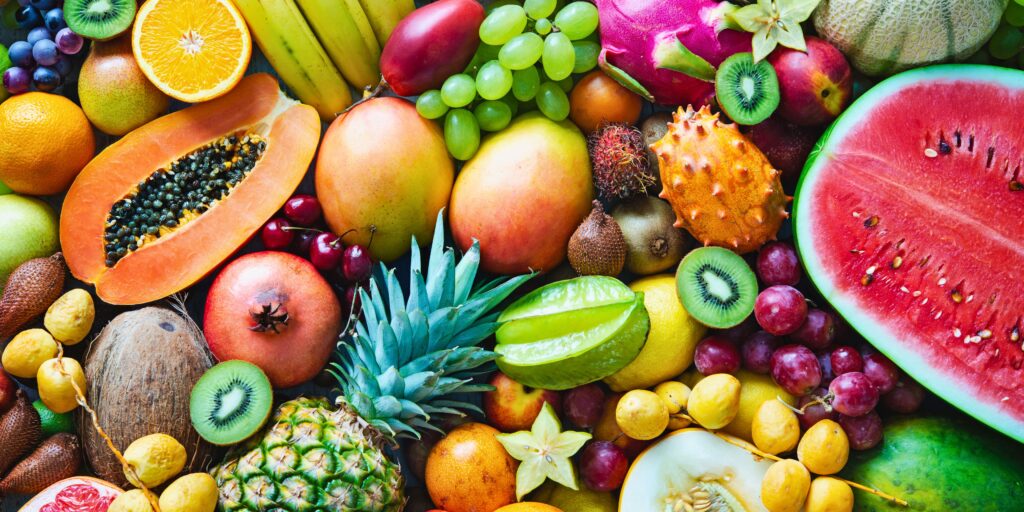
FRUIT: Apples, apricots, avocados, bananas, cherries, coconuts, dates, grapefruit, guavas, lemons, limes, naartjies, nectarines, oranges, pawpaw or papaya, pears, pineapples, plums, strawberries, sweet melon and watermelon.
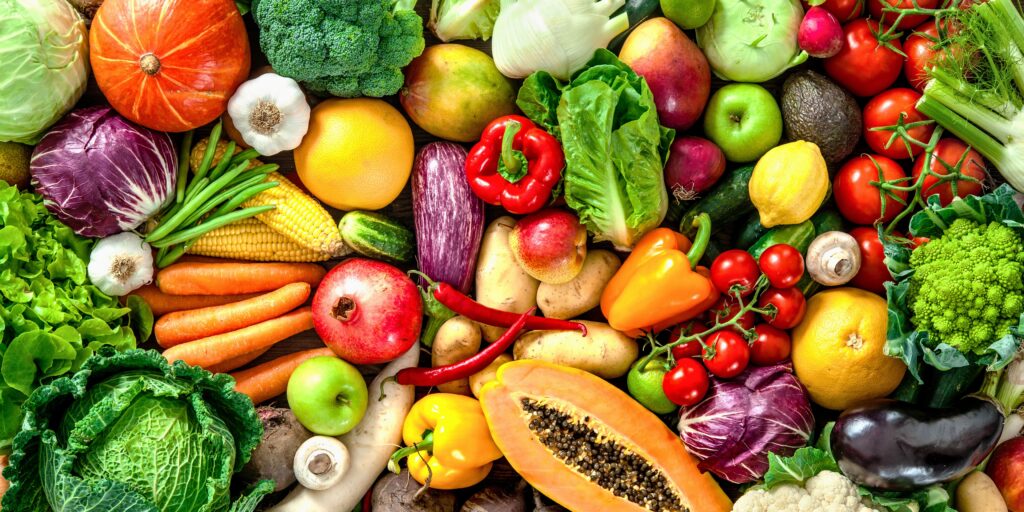
VEGETABLES: Artichokes, asparagus, auberges, (eggplant), baby marrows, beans, beetroot, Brussels sprouts, cabbage, carrots, cauliflower, celery, corn, courgettes (baby marrow), cucumber, kale, spinach, leeks, lettuce, parsnips, potatoes, pumpkins, radishes, red onions, turnips and watercress.
Try this Healthy food recipe this Spring
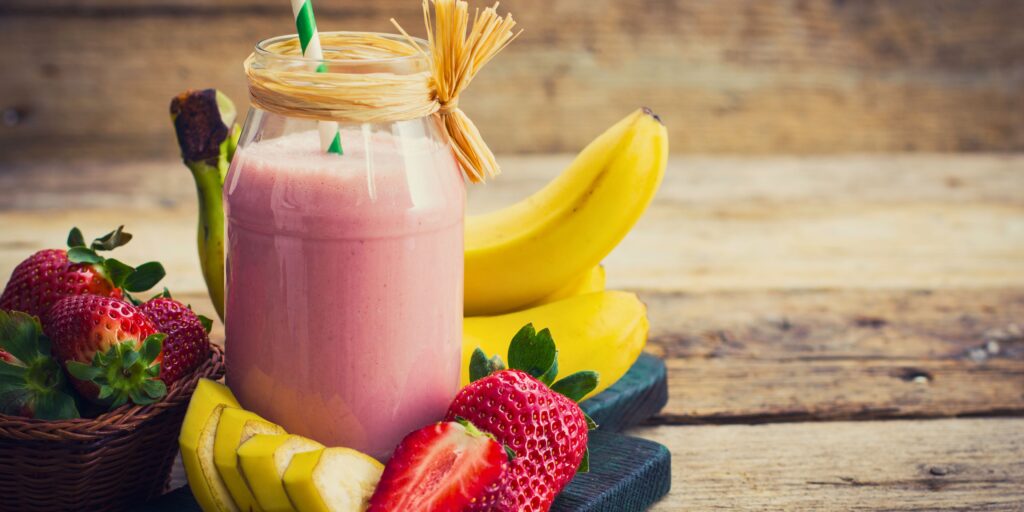
Strawberry and Banana Breakfast Smoothie
2 Cups Fresh Strawberries, halved
1 Banana, quartered and frozen
½ Cup Greek Yoghurt
½ Cup Milk
Add all ingredients to a high-powered blender and blend until smooth.
Article by Michele Henderson
For Link-Up Western Cape Magazine
June 2024.

