
Preparing for pregnancy is daunting and exciting for a couple. There are so many things running through your head about what you should do and should avoid. We have the influence of our parents’ way of preparation, the medical route, and the route our peers have walked. But sometimes all that knowledge might not sit 100% with the way you want to bring life into this world.
For those who are searching for a wide-scale approach to pregnancy, this is my guide to bringing a baby into this world while considering many ancient cultures’ techniques and accommodating medical intervention.
As a woman, our body takes on the most rewarding job in the process. While I don’t have to explain to you all how babies are made, we can discuss how to best prepare your body for when the time is right.
I have been advised by many practitioners to start preparing for pregnancy as soon as possible. What I mean by this is, if you know you want to have children one day, the best time to start getting your body ready is TODAY!
Here are a few things to start incorporating right away.
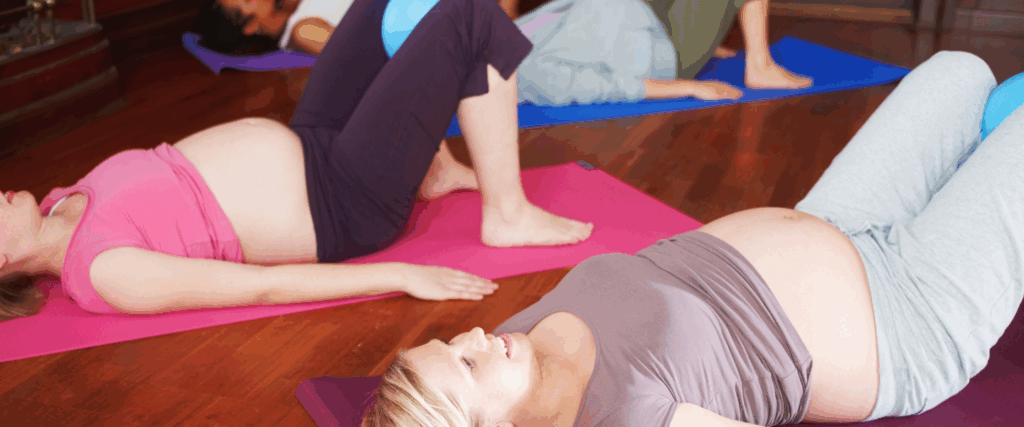
- Pelvic Floor Exercise
These involve contracting and relaxing the muscles of the pelvic floor to strengthen them.
- Build up your Vitamin A
Food groups that include Vitamin A are egg yolk, liver, carrots, sweet potatoes, and leafy greens.
- Switch over your salt
Change your kitchen salt over to sea salt/ mined salt so that you are absorbing all the minerals that are still in it, which many of the kitchen salt’s lack.
- Morning sunlight every day = better quality eggs
Morning sunlight exposure increases vitamin D levels, which are linked to improved fertility in both men and women. Vitamin D is associated with higher levels of estrogen and progesterone in women and higher levels of testosterone in men, all of which can improve fertility, according to fertility clinics.
- Healthy Animal Products
Eating well-sourced animal-based products is good to consider at any point in life. Including full-fat dairy products and bone broth for the extra needed collagen and amino acids will ensure you have more than enough to help build the baby’s various tissues and bodily functions. Collagen provides structural support for bones, skin, and connective tissues, while amino acids are essential for protein synthesis, which is necessary for building and repairing tissues, including muscles, bones, and organs. They also play roles in various other processes like immune function and sleep.
- Fermented foods
Eating fermented foods when trying to conceive can positively impact fertility by improving gut health and nutrient absorption, which are crucial for both egg and sperm quality, as well as a healthy pregnancy. Fermented foods, rich in probiotics, can promote a balanced gut microbiome, potentially reducing inflammation and enhancing the body’s ability to absorb essential nutrients like folic acid, zinc, and selenium. Fermented foods to incorporate for good bacteria are saurcraught or kimchi
There are plenty of tests that will be done once you’re pregnant, but here are some to do BEFORE, so that you know how to improve your lifestyle for the best possible outcome.
- A DUTCH test
A “Dried Urine Test for Comprehensive Hormones”, is a method of assessing hormone levels in the body. It provides a detailed analysis of sex hormones, adrenal hormones, and their metabolites, along with markers for oxidative stress, melatonin, and other factors. The test involves collecting dried urine samples, which are then analyzed to provide a comprehensive overview of hormone activity and potential imbalances. Through this, you will learn if there are precautions, medication, alternative plans, and anything in between that need to be taken.
- MTHFR gene mutation test
The MTHFR gene provides instructions for making an enzyme called methylenetetrahydrofolate reductase, which is crucial for processing folate and other B vitamins. Because so many women are placed on folate when trying to conceive, you need to know if your body might need assistance is digesting and breaking down folate. It’s been suggested that low folate levels, potentially influenced by MTHFR variants, could be associated with an increased risk of postpartum depression. Therefore, getting this test done will strengthen your knowledge gaurd when deciding how to walk through your pregnancy.
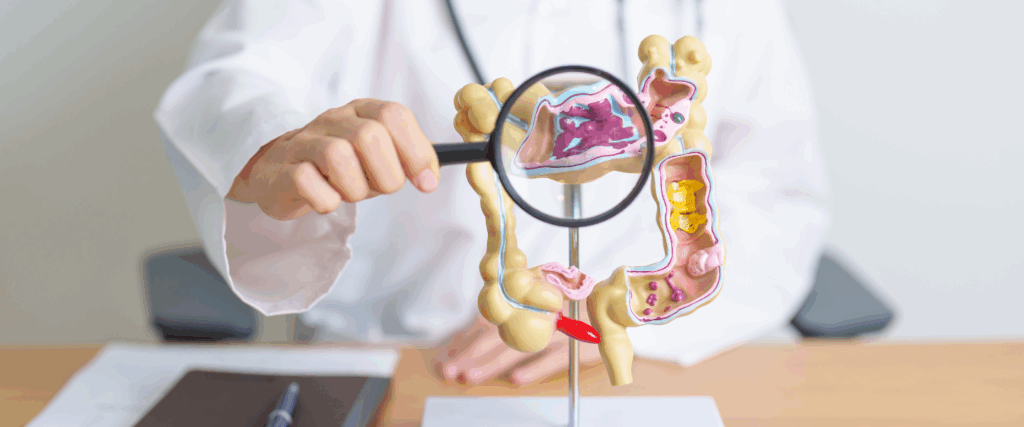
- Colon cleanse
Many functional medicine practitioners recommend a colon cleans before trying to conceive if you are advised to do so. Preconception and prenatal exposure to toxic environmental agents can have a profound and lasting effect on reproductive health across the life course. If you are performing a colon cleanse, just remember to rehydrate with electrolytes and keep your body in a low-inflammatory state. I suggest Chagga tea or capsules to help reduce your inflimaition from the inside out with this wonderful mushroom.
- Cortisol Test
A cortisol test is recommended when trying to conceive because elevated cortisol levels, often a result of chronic stress, can negatively impact fertility. High cortisol can interfere with ovulation, disrupt menstrual cycles, and potentially affect egg and sperm quality, making it more difficult to conceive.
When we look at functional medicine, it also includes practices from ancient Chinese culture. These traditions have been around for longer than most of our civilisations. If you are interested in hearing what the women do when preparing for pregnancy in the East, keep reading…
- Keep warm
In Traditional Chinese Medicine (TCM), keeping the body warm, particularly the lower abdomen, is believed to be crucial for fertility because warmth promotes healthy blood circulation to the uterus, creating an optimal environment for implantation. A “warm uterus” is considered essential for a healthy pregnancy, while a “cold uterus” is associated with fertility issues.
- Eating warming foods
In Traditional Chinese Medicine (TCM), consuming warm foods is believed to promote fertility by enhancing circulation, strengthening digestion, and balancing Qi and Yang – vital energies for reproductive health. This approach aims to create a warm and nurturing environment within the body, particularly in the uterus, which is considered crucial for conception. Examples are foods like ginger, garlic, onions, cooked vegetables, soups, and stews.
- Acupuncture
Acupuncture is sometimes used when trying to conceive as it may help to regulate hormones, improve blood flow to the reproductive organs, and reduce stress, all of which can be beneficial for fertility.
There are so many other things you could incorporate, such as pomegranates, beet juice, electrolytes to reduce morning sickness, and methylfolate when you have a folate deficiency. It does not just begin and end at a prenatal.
Here are also some things to avoid when trying to conceive.

- Blue light after sunset
Avoiding blue light exposure after sunset is beneficial when trying to conceive because it can disrupt the production of melatonin, a hormone crucial for regulating sleep, menstrual cycles, and egg quality. Melatonin suppression, caused by blue light emitted from electronic devices and artificial lighting, can negatively impact fertility.
- Fluorite as it reduces baby IQ.
High levels of fluoride exposure, particularly during pregnancy, may be associated with potential adverse effects on reproductive health and fetal development. Odd places that you would find flourite is toothpaste, switch to a more natural and flourite free version to minimise your intake.
- Caffine
Some studies suggest that high caffeine intake can increase the time it takes for a woman to become pregnant.
When bringing a child into this world, you are deserving of being informed. But please advise any healthcare practitioner on what your body needs before doing anything that you read, hear, or see. Each of us are so unique and we deserve to have comfortable and healthy pregnancies as much as our babies deserve that kind of life as well.
Charlotte Mostert

